
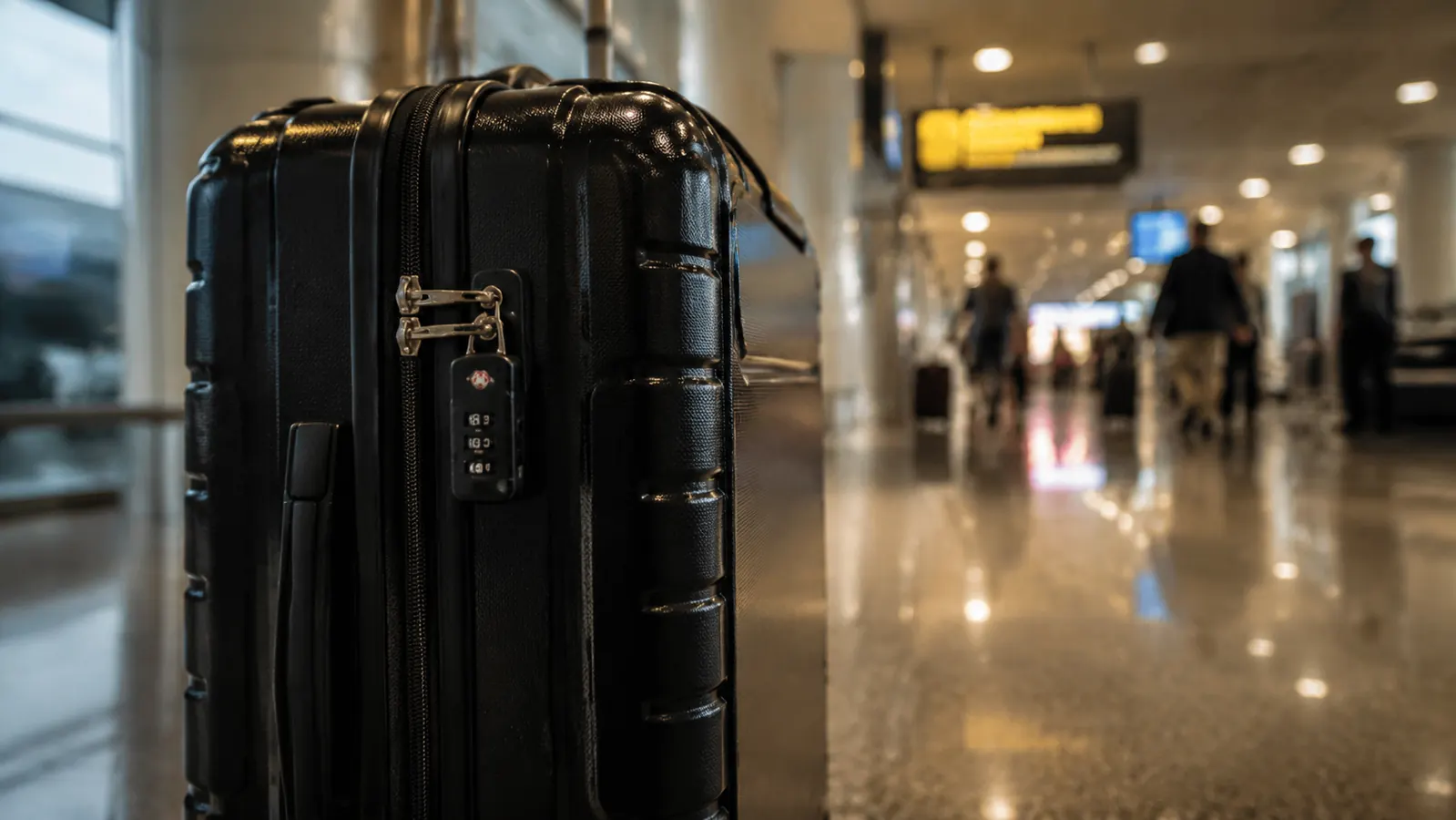
It was a Phoenix-to-Chicago flight in March, connecting through Denver. The kind of route where your bag gets handled two extra times before you see it again. I'd done that trip a dozen times for work without a second thought. Always checked one bag, never locked it. I figured that's what a polite traveler does, right? TSA needs access, so why bother with a lock at all.
I grabbed my suitcase off the belt at O'Hare and noticed it immediately. The zipper was off-track on one corner in a way I don't do. Small thing. Easy to explain away. I dragged the bag to my hotel, opened it, and started unpacking. My Bose earbuds were gone. Not in the wrong pocket, not fallen to the bottom. Gone. A 200-dollar pair of earbuds that I had packed in the outer zippered pouch before checking in.
I stood there for a minute just processing it. Filed a report with the airline. Nothing came of it. I'm not here to accuse anyone specific. But that was the last time I ever checked a bag without a lock on it.
The thing I hadn't understood before that trip is that TSA-approved locks are designed exactly for this situation. TSA agents carry master keys that open any TSA-approved lock without damaging it. They can inspect your bag, relock it, and send it on its way. The lock doesn't stop TSA. It stops everyone else.
TSA has a master key. A lock doesn't slow them down. It just closes the gap between inspection and everyone else who handles your bag between the belt and the carousel.
I spent about an hour researching locks after that trip. I didn't need anything elaborate. I needed something with a solid body, a combination I could reset to something memorable, and a mechanism that would actually show me if TSA had opened it. That last part mattered. Not to dispute anything, just to know.
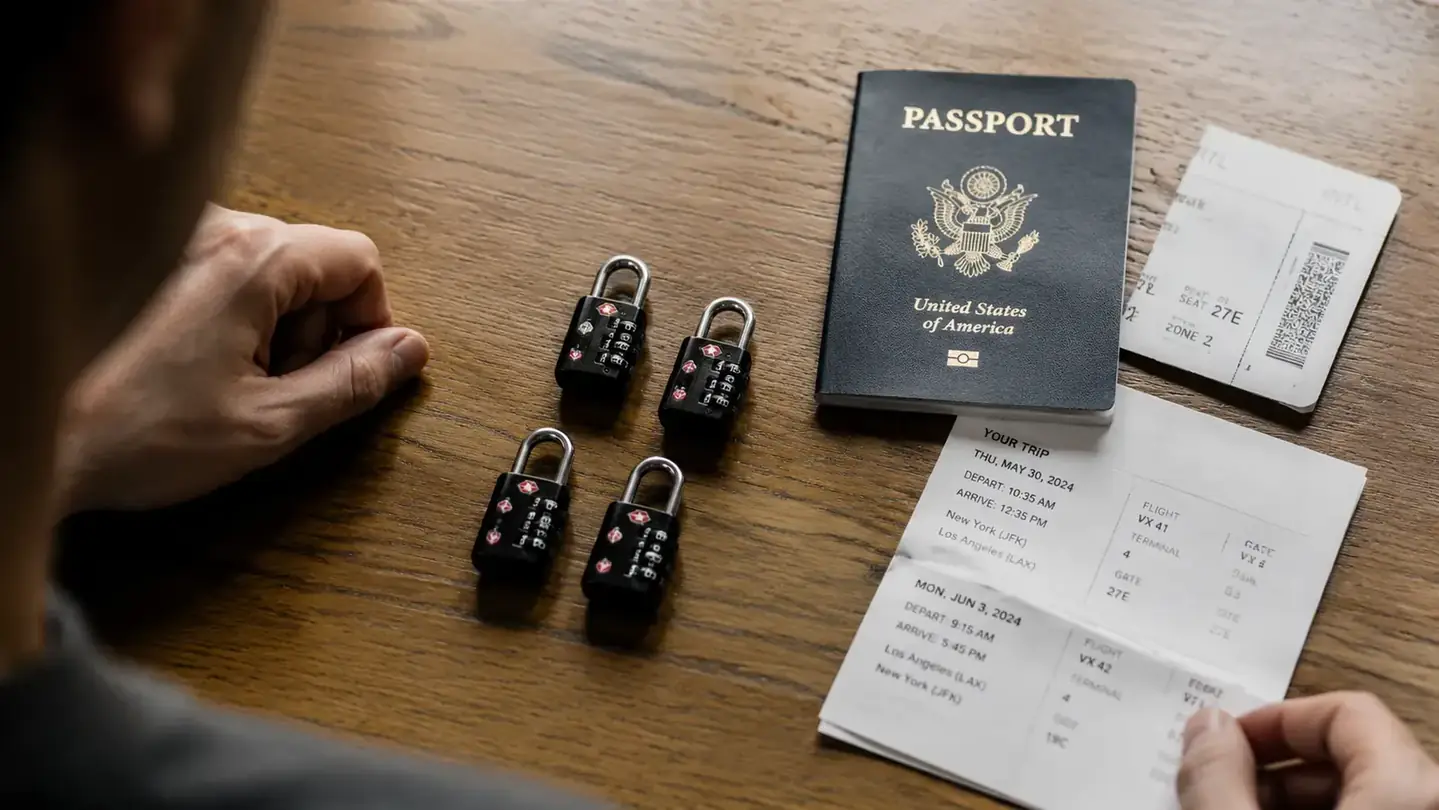
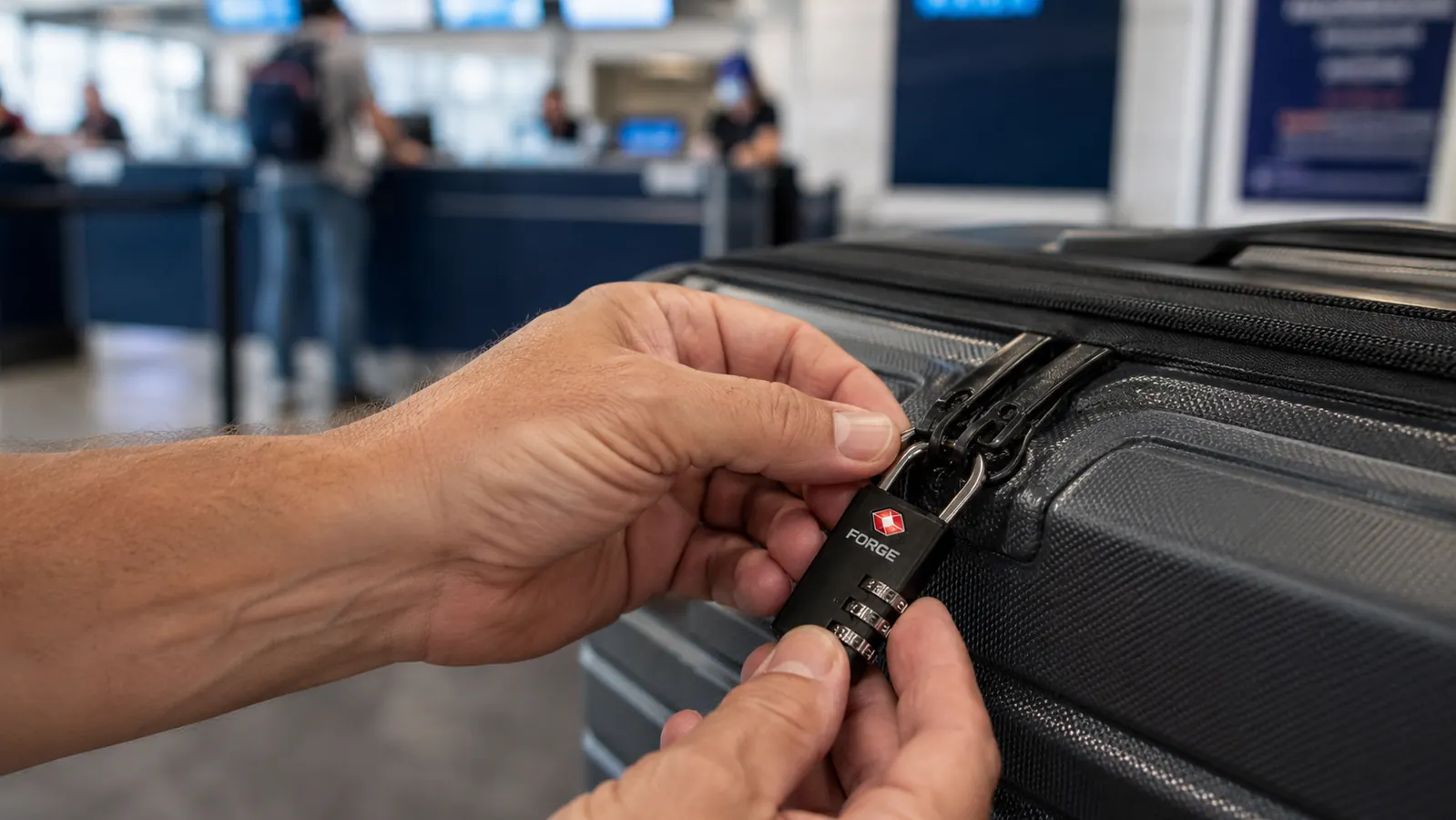
I landed on the Forge Open Alert TSA locks, a 4-pack in black. The Forge locks have a 3-digit combination, a zinc alloy body that doesn't feel flimsy in your hand, and an open-alert indicator that pops out red when TSA uses their master key to open the lock. You reset it easily. The dials are large enough to read clearly without squinting. The shackle closes with a satisfying click. They come in a 4-pack, which matters because most people have more than one bag or want extras for gym lockers and backpacks on the same trip.
If you check bags, you need a lock. This is the one that shows you if TSA opened it.
The Forge 4-pack TSA lock has a zinc alloy body, easy-read dials, and an open-alert indicator. Comes in a 4-pack so you have backups and spares.
Amazon Check Today's Price on Amazon →I've had these locks on my bags for over two years now. I've been flagged a few times, the red indicator confirmed it, no big deal. The locks themselves have held up across dozens of trips. No corrosion, no sticky dials, no broken shackle. I keep one on my carry-on zipper too when I'm worried about overhead bin access on crowded flights, which is a different kind of deterrent but still useful.
What I like most is that the combination reset is genuinely simple. Some locks require a pen tip or a toothpick to hit a recessed button. Forge doesn't. You hold the shackle open in the release position, dial your new combination, and push it closed. That's it. I've reset mine twice and it took about 30 seconds each time. For anyone who cycles through different combinations for security, that matters.
There are things I'd note honestly. These are not high-security padlocks. A determined person with the right tools can defeat any luggage lock. What they do is raise the effort level enough that opportunistic access becomes much less likely. Most lost-item incidents aren't orchestrated heists. They're someone spotting an easy opportunity and taking it. A visible lock removes the easy opportunity.
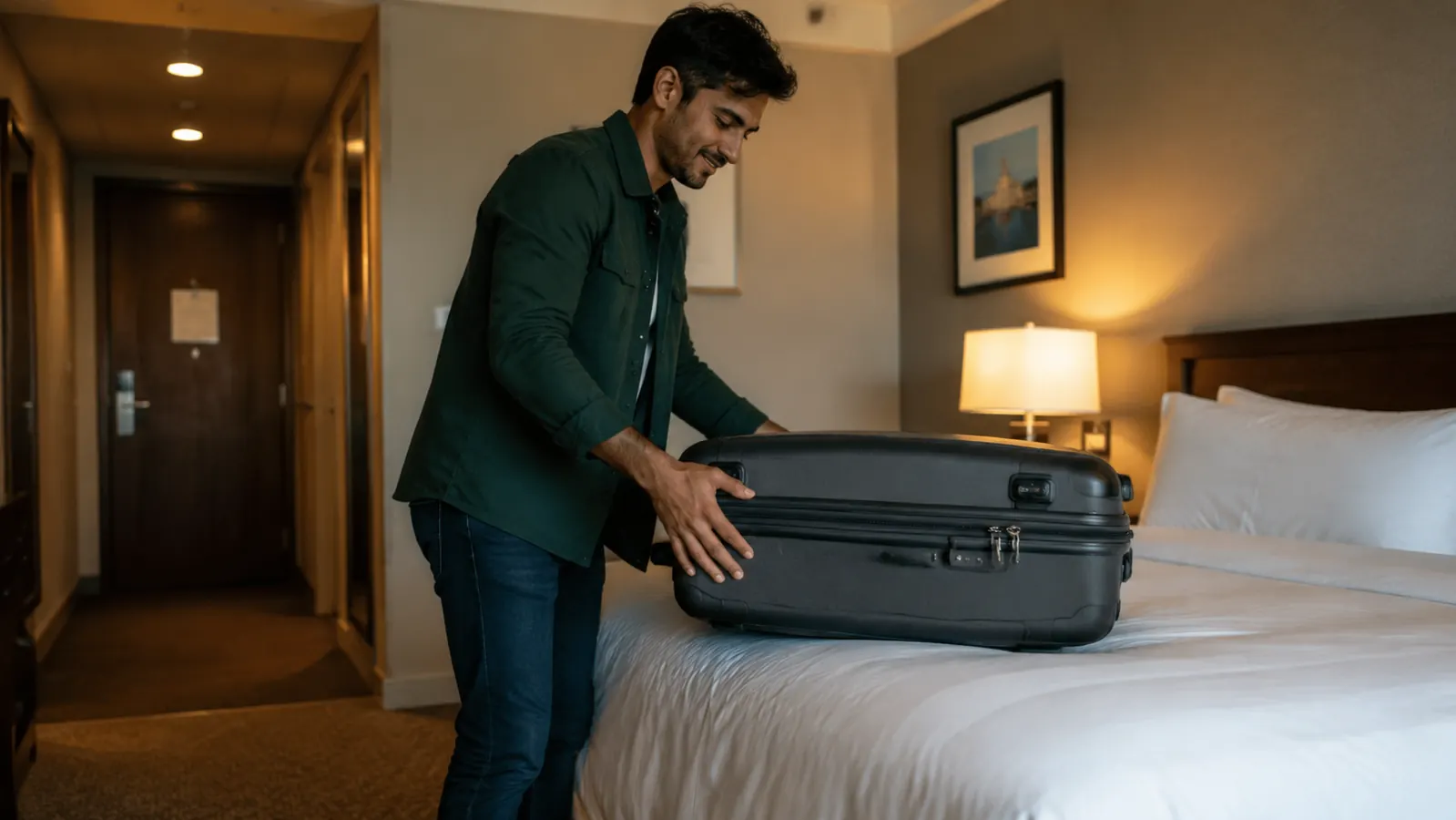
I also wouldn't put an expensive lock on cheap luggage. If your bag has flimsy zipper pulls or a weak zipper track, the lock is only as strong as the hardware it's attached to. Pair a good lock with a bag that can actually hold the zipper in place under stress.
What I'd Tell You If We Were Sitting at My Kitchen Table
If you check bags and you've never locked them, I'd tell you the same thing I tell anyone who asks me about travel gear: most trips are fine. I've taken hundreds of flights and only had that one bad experience. The odds are on your side. But the cost of a 4-pack of luggage locks is less than fifteen minutes of airport lunch, and you use them for years. The math on that is really simple.
Get TSA-approved locks specifically. Not bike cable locks, not padlocks from the hardware store. TSA agents will cut those off if they need to inspect your bag, and they won't replace them. A TSA-approved lock stays on, gets opened with the master key, and gets put back. You arrive with your lock intact and a red indicator that tells you what happened.
The Forge locks are the ones I recommend because they're what I actually use and they've been reliable for two-plus years across trips to seven countries. Four in a pack means you'll have them for every bag you ever check, every gym bag you leave in a locker, and every carry-on you want to zip shut in a crowded overhead bin. At the price they're at, I'd genuinely just buy them.
Two years, seven countries, dozens of flights. These are still on my bags.
The Forge TSA lock 4-pack. Zinc alloy body, open-alert indicator, easy combination reset. The one I use on every checked bag I own.
Amazon Check Today's Price on Amazon →